
Invisible Technology in Exhibit Spaces: Designing Immersive Experiences
The modern museum and exhibit experience is an immersive one. From science education centers and cultural institutions to galleries and zoological exhibits, visitors now expect experiences that feel every bit as engaging as they are seamless. As immersion becomes the focal point of today’s exhibit environments, it’s becoming clear that the most successful spaces are often the ones where the technology itself fades into the background. Behind every immersive environment is a careful integration of audiovisual systems, acoustics, IT/telecom infrastructure, and security design working together to support storytelling, comfort, and safety without distracting from the visitor experience.
Audiovisual systems are often one of the most visible technologies in exhibit environments, making thoughtful design especially important. Beyond displaying content, audiovisual design influences how visitors emotionally experience a space. Senior Audiovisual Designer Bob Rotto, CTS-D, explains, “Both aural and visual technologies can effectively and creatively be utilized to help evoke mood, draw attention, and steer focus in the exhibit space.” Through lighting, spatial audio, and immersive media, AV systems can help reinforce storytelling while remaining subtly embedded within the architecture itself.
The goal is to provide an immersive experience without becoming a distraction. “Providing physical infrastructure and pathways in an existing exhibit space in order to support the technology, while also remaining inconspicuous and not detracting from the story, and breaking the audience’s suspension of disbelief,” is one of the biggest challenges a designer can face, according to Rotto. In educational exhibit environments, intuitive user interfaces and carefully coordinated technology placement help visitors focus on the exhibit rather than the systems supporting it.
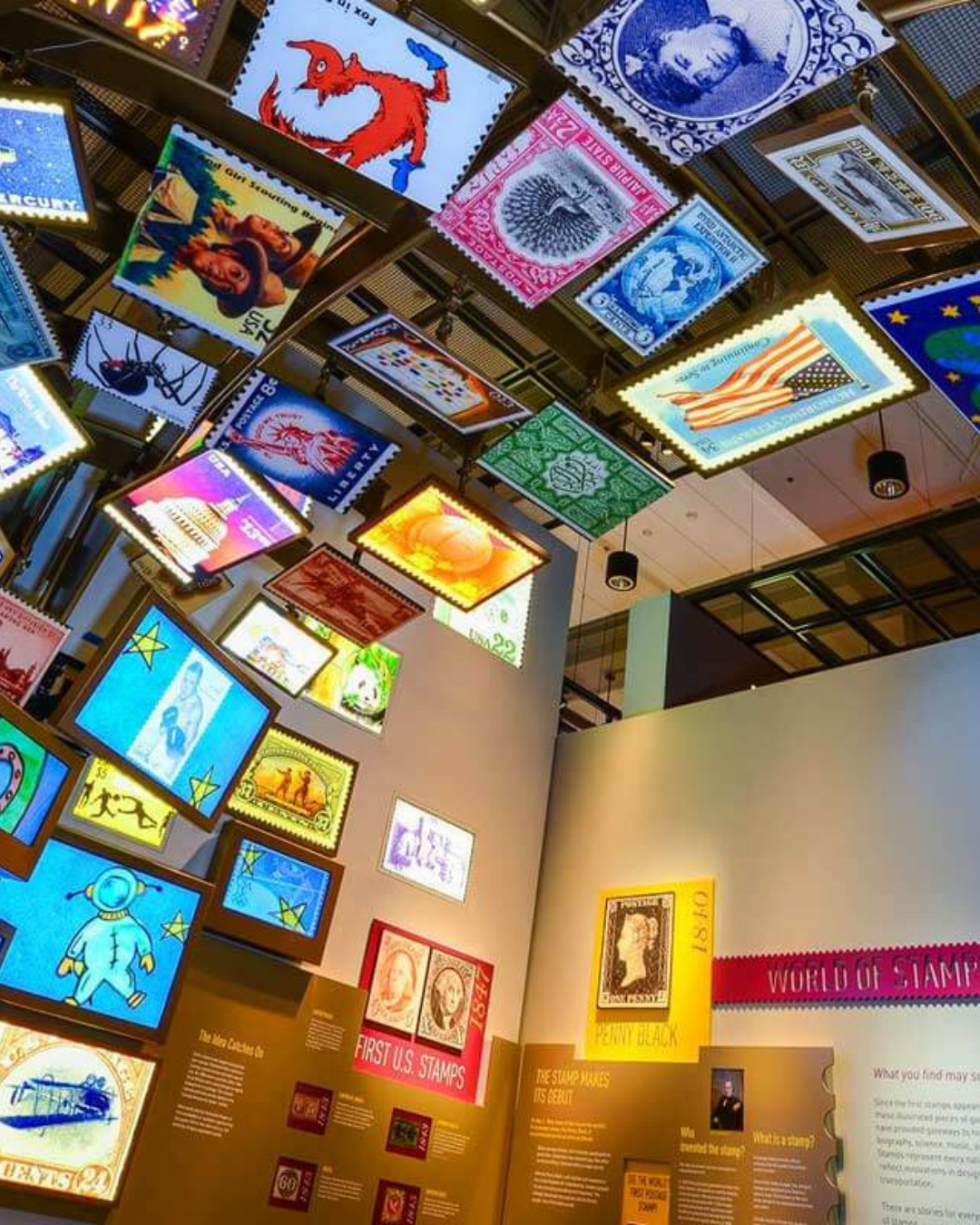
“Both aural and visual technologies can effectively and creatively be utilized to help evoke mood, draw attention, and steer focus in the exhibit space.”
One effective solution is to prioritize technology planning early in the design process rather than treating it as an afterthought. By coordinating infrastructure, equipment locations, and access requirements alongside the architectural and exhibit design, technology can be concealed within the environment while still supporting performance and service requirements. Through close collaboration between exhibit designers, architects, and technology consultants, visitors remain focused on the story being told instead of the systems operating behind the scenes. When collaboratively integrated, technology can fortify an immersive experience while remaining largely undetected by an audience. The result is a unique experience, where technology enhances immersion while remaining virtually invisible.
Acoustic design shapes the experience in equally important, though often invisible ways. Sound directly impacts comfort, comprehension, and emotional pacing throughout exhibit spaces. Excessive reverberation, sound bleed between exhibits, and background noise can quickly disrupt immersion and contribute to sensory fatigue. Acoustics Discipline Lead Josh Thede, PE, LEED AP BD+C, WELL AP, explains how exhibit spaces support a wide range of visitors and demographics, from young school groups on field trips to solo visitors seeking quieter engagement.
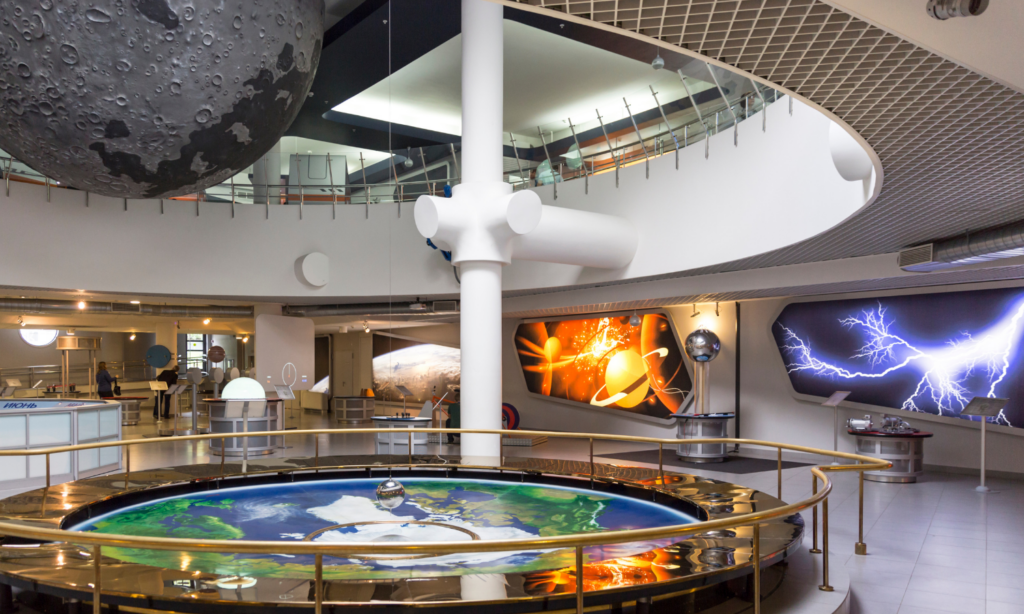
“If multiple exhibits make noise, locating individual parts far enough apart to ensure they don’t conflict becomes important,” Thede explains. “Headphones, phones, and narrow speaker directivity can also help.” Acoustic zoning and transition spaces allow visitors to naturally move between experiences without becoming overwhelmed, while respite areas provide quieter environments away from stimulating exhibits.
Accessibility also plays a major role in acoustic design. “Designing accessible spaces for people of all ages and abilities provides a higher quality space and experience for everyone,” Thede says. This becomes particularly important in museums and galleries where visitors may include children, elderly guests, individuals with hearing loss, or neurodiverse audiences. In historic spaces, acoustics can become even more complex due to limitations surrounding preservation requirements.
Telecommunications infrastructure serves as the invisible backbone supporting modern exhibit experiences. As museums incorporate QR-code-enabled learning, interactive displays, digital ticketing, mobile engagement, and more, reliable connectivity has become essential. Senior Telecom & Security Designer Dylan Curran, RCDD, explains that exhibit telecom design can often be summarized through “coverage, convenience, and concealment.”
“Wi-Fi coverage is integral, as QR codes from interpretive displays will point guests to websites to learn more on a topic, support a cause, etc.,” Curran says. At the same time, flexibility is also critical in environments where exhibits regularly rotate. Smart design features like ceiling-mounted data outlets, floor boxes, and adaptable infrastructure allow exhibits to evolve without extensive renovation work.
Concealment remains equally important. “The best kind of telecommunication and security design is the kind that you don’t even notice,” Senior Telecom & Security Designer Kyle Stille, RCDD, explains. Coordinating pathways, device finishes, and mounting locations with architecture sustains immersion while ensuring systems stay effective. On exhibit-focused projects such as the National Zoo Medium Carnivore Habitat, this coordination extended even further. Curran notes that infrared cameras were used within the leopard habitat to allow nighttime monitoring “without visible light impacting the natural rhythm of the animal.”
Security systems face a similar balance between visibility and visitor comfort. Museums and exhibit environments must protect collections, staff, and guests while still conveying a welcoming atmosphere. “You want all of the exhibits to be observed for protection, but you don’t want the cameras to be too obvious, otherwise it can feel overbearing and take you out of the museum experience,” Stille explains. On projects such as Carnegie Mellon University’s Richard King Mellon Hall of Sciences gallery spaces, camera placement required additional coordination to avoid sculptures obstructing sightlines while still preserving the flexibility to accommodate changing exhibit layouts and taller installations. High-mounted cameras, coordinated finishes, and concealed infrastructure allow security systems to remain effective while blending naturally into the environment.
Across disciplines, the goal remains the same: creating spaces where technology supports the experience without interruption. Throughout AV, acoustics, IT/telecom, and security systems, thoughtful design helps shape environments that feel immersive and intuitive. When done successfully, visitors leave remembering the story, and sense of discovery, not the infrastructure supporting it behind the scenes.
More Insights


