
Data Center Design: Managing Heat Loads, IT Infrastructure, & Electronic Security
Data centers continue to evolve rapidly as they support higher data volumes, AI-driven workloads, and increasingly distributed operations. As data centers get denser, designers need to think well beyond traditional server layouts. Successful facilities integrate careful coordination between heat management strategies, telecom infrastructure, and electronic security systems to support performance, reliability, and long-term adaptability.
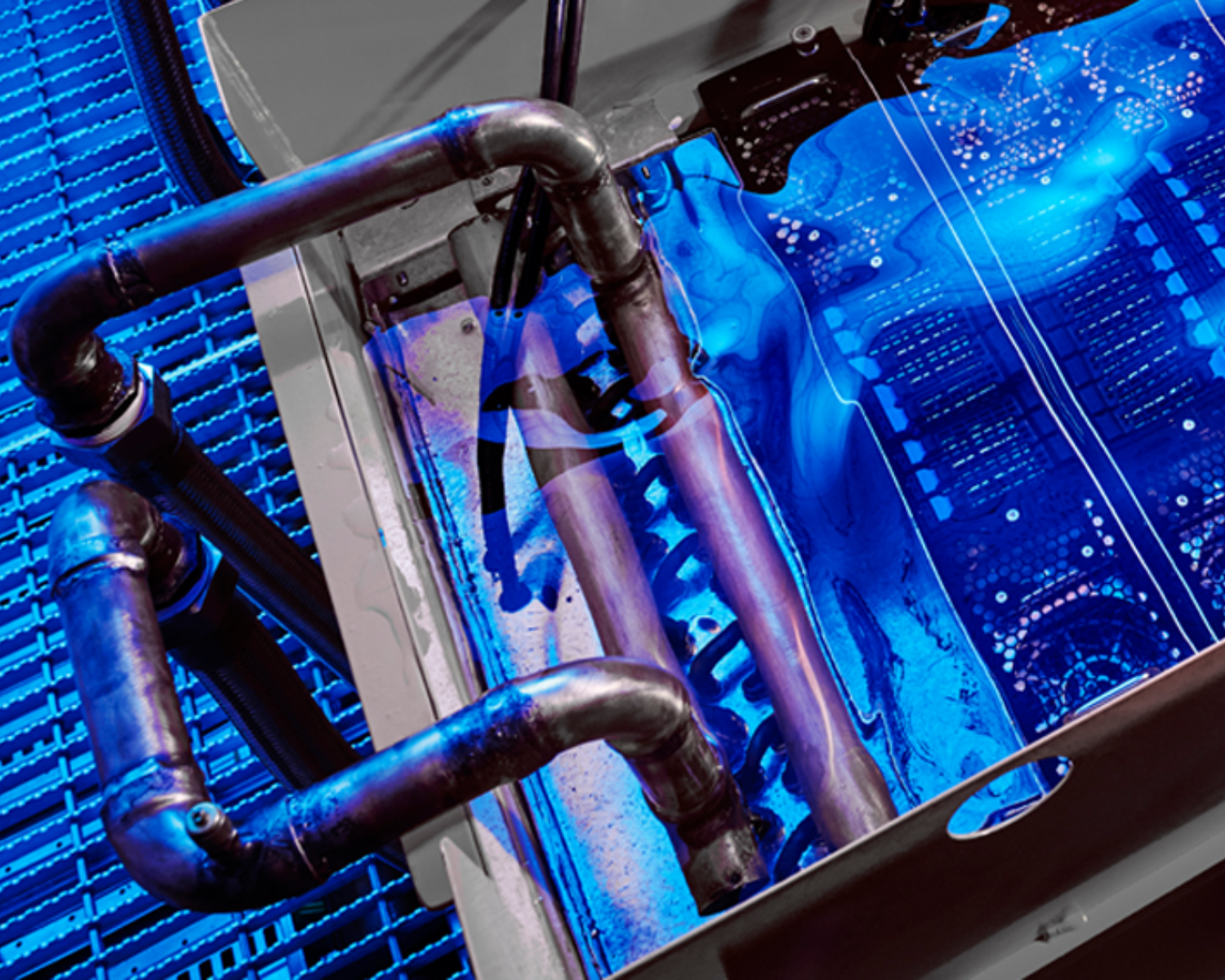
Managing heat loads is one of the most critical challenges in modern, high-density data center environments. These facilities need massive amounts of energy and generate significant waste heat, making early planning essential. Cooling strategies such as hot-aisle containment, in-row cooling, and CRAC/CRAH systems each introduce different space, infrastructure, and budget considerations. These decisions directly influence equipment layout and usable space, requiring close coordination across mechanical, electrical, and low-voltage systems.
BrightTree Studios Telecom Designers mention that “The amount of waste heat generated in high-density data centers is enormous, and how that heat is managed directly affects how much usable space is available for equipment.”
Telecom infrastructure plays a critical supporting role in maintaining performance and continuity. While many performance requirements, such as latency, are driven primarily by power, cooling, and IT systems, early decisions about cabling pathways, redundancy, and physical layout help ensure reliable connectivity and long-term adaptability. Fiber optic infrastructure is fundamental to modern data centers, enabling high-capacity communication while supporting future growth and scalability.
Electronic security systems are essential to protecting sensitive data and supporting continuous operations. Layered security approaches, which combine multiple types of protection such as access control, video monitoring, and alerts, help reduce risk while allowing efficient access for authorized personnel. Advanced systems can communicate with off-site monitoring platforms and respond to unexpected events through automated actions, minimizing downtime and supporting system resilience.
Balancing strong security requirements with accessibility depends on early collaboration with architects. Proper room sizing, strategic placement within facilities, and proximities to workspaces make day-to-day operations run smoothly. Lighting within data centers and telecom spaces is also an important consideration and should be coordinated to support safe, effective use of both the environment and the equipment inside.
As technology continues to advance, data center design needs to remain flexible and proactive. Treating heat management, telecom infrastructure, and electronic security as interconnected systems allows us to create resilient, scalable facilities that evolve with operational demands.
More Insights


