
Balancing Security with a Welcoming Environment in a K–12 Setting
A school should not have to look highly secured to be highly secure. Today’s schools are expected to provide safe and secure environments while remaining welcoming places where students can learn, have fun, and thrive. As security threats and safety concerns continue to evolve, school districts are investing in technologies such as access control, visitor management, surveillance systems, and emergency communication platforms to better protect their communities. However, when security measures become too visible or intrusive, they can unintentionally create environments that feel restrictive, uninviting, and potentially scary for some students.
As Senior Security Designer Dave Straight explains, designing school security systems goes beyond simply preventing threats. It means creating schools that are safe, welcoming, functional, and durable throughout their lifecycle. Schools should be places where students can focus on learning, not worry about their security. Yet, creating a secure environment while maintaining a warm and welcoming atmosphere requires a thoughtful and balanced approach. That balance is not achieved by simply making security devices less visible.
To maximize the balance between a secure environment and a welcoming atmosphere, it is important to integrate security planning early into the design process. When that coordination happens early, the question shifts from “Where can we add a camera or card reader?” to “How should the building and security systems be designed together from the start?”
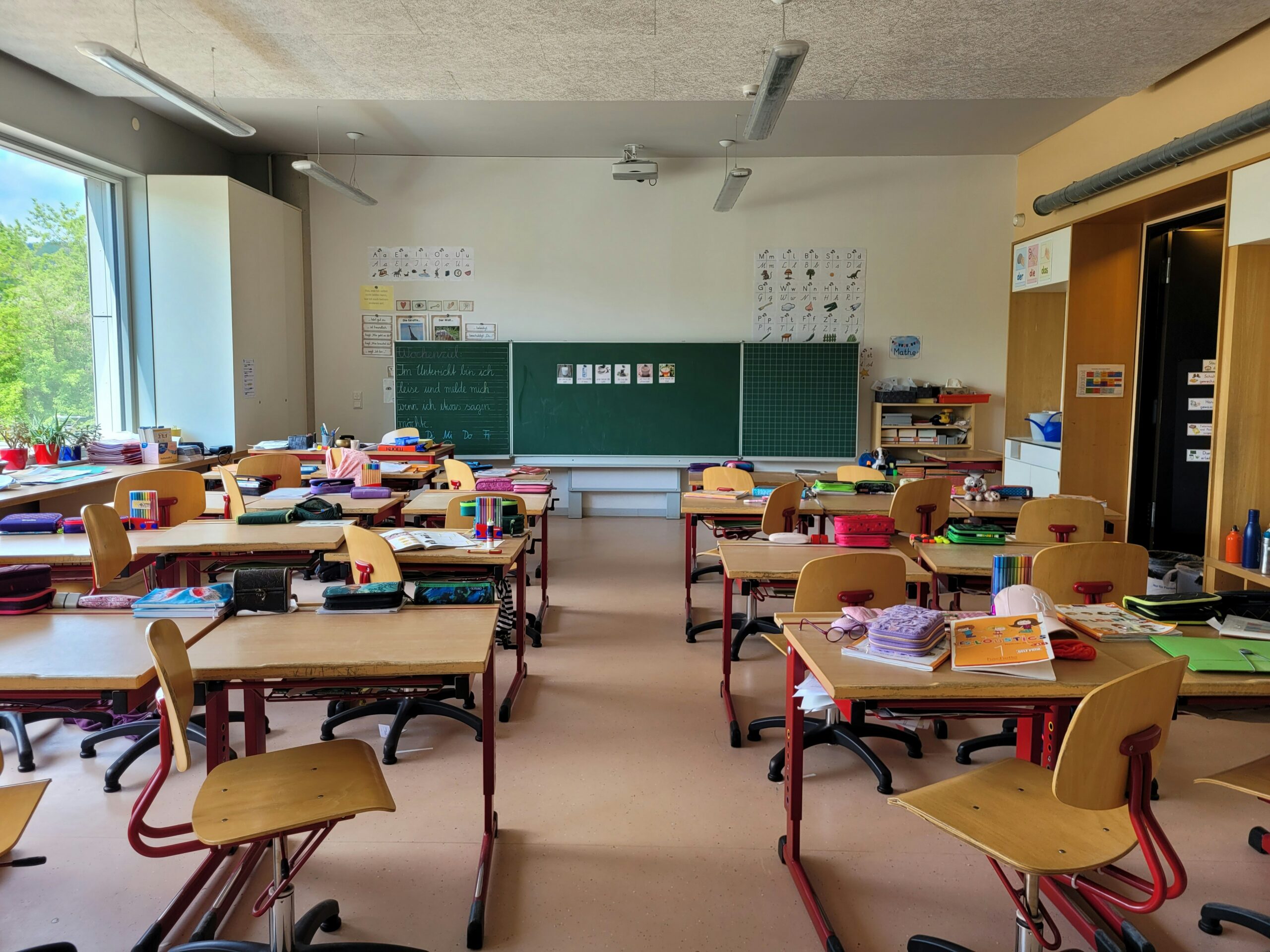
“Security planning is fundamentally about balancing protection with a positive student experience,” says Straight. “Schools should feel welcoming, not prison or fortress-like. By collaborating with educators, administrators, and our BrightTree security team during early phases and schematic design, we can develop solutions that support both safety and learning.”
Early security integration also improves operational efficiency. Strategic placement of entrances, administrative offices, visitor management areas, and classroom zones can simplify supervision and improve emergency response. Infrastructure for cameras, access control, communications, and future technology upgrades can be coordinated with the building systems, avoiding costly retrofits and disruptions after building construction is completed.
Beyond coordination and efficiency, how security technology is incorporated into the physical environment also matters. Straight describes creating discreet yet effective safety solutions as a “moving target,” but says that schools can work on integrating security devices into the architecture throughout the different design phases. The goal is not just to hide security technology; it is to create a design in which security technology naturally belongs.
“Security planning is fundamentally about balancing protection with a positive student experience. Schools should feel welcoming, not prison or fortress-like.”
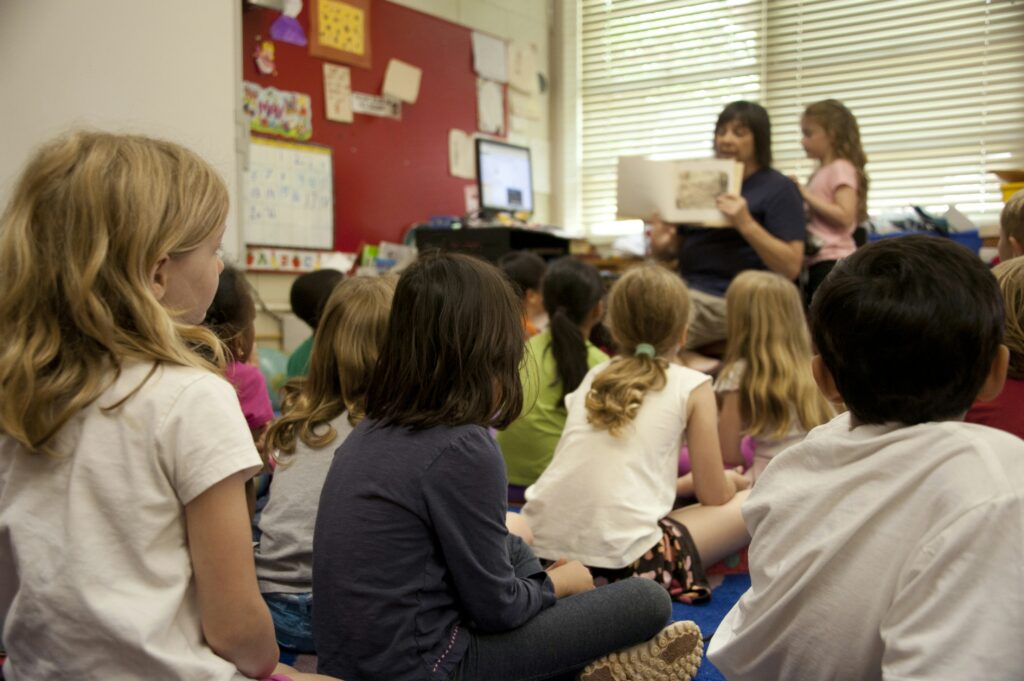
For example, cameras can be mounted into less obvious locations such as the soffits, corners, or hanging lighting zones. When it comes to access control, many modern card readers and door contacts can blend into combined units and appear less like separate units cut into the wall. Some modern intercoms can also have a card reader built into the unit, meaning that fewer devices are present at the same location. The result: a cleaner environment without sacrificing the coverage or functionality the security design requires.
A layered approach to security is important because no single measure is sufficient alone, especially in a large, complex setting like a school. The process starts from the outside and flows inward to different areas, based on the needs of the location. It should start with the overall property that the building is on, followed by the exterior perimeter. Points of entry and exit would be next, then larger interior spaces like gathering zones (cafeterias, gyms, etc.) and hallways. Finally, security is developed for smaller, specific rooms such as classrooms, offices, and break rooms, along with any response opportunities for the school’s security team. Each layer requires a security approach tailored to the needs and risks of that specific area.
“In each of these areas, we will circle back to the video and access to be controlled for each area and think about the best practices and designs we can make for each zone,” says Straight. “Some areas will require exterior cameras and locked gates or doors for entry into the next space. Some areas may require a duress button under a reception desk to go along with a camera to support the response team.”
A safe and secure school should still feel like a school, never a fortress. The most effective learning environments protect students without constantly reminding them why those protections exist. The challenge isn’t whether schools should prioritize security, because they absolutely should. The question is how it should be done. The most successful security strategies are integrated into the design of the school itself, providing the protection the environment requires without allowing security to define how that environment feels.
More Insights


